Little America in Wroclaw: How Expat Entrepreneurs Are Building Businesses Around a Growing US Community
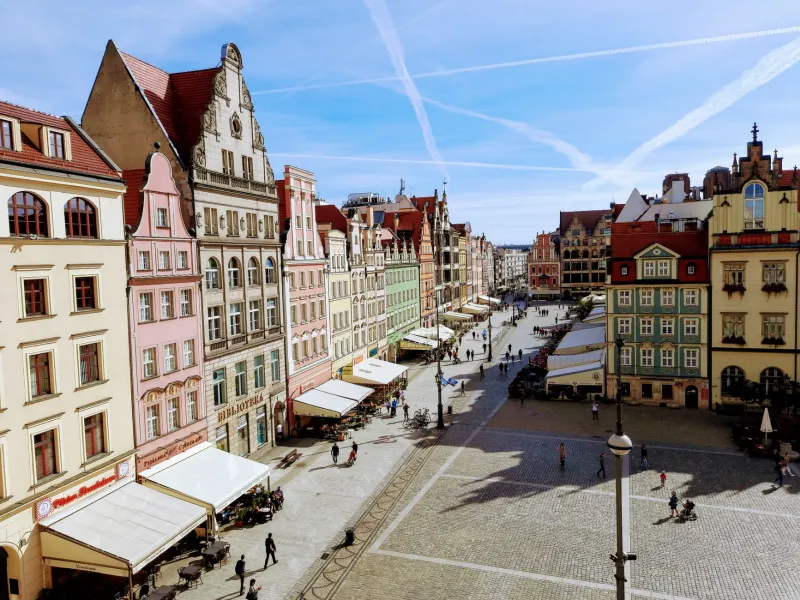
Walk into the right café in Wroclaw's Śródmieście district on a weekday morning and you might hear more English than Polish. Not tourist English — the kind spoken by people who know the barista's name, argue about which neighborhood has the best pierogi, and complain about missing their favorite hot sauce brand. These are Wroclaw's American expats, and they're becoming a market segment that sharp entrepreneurs — both American and Polish — are starting to take very seriously.
The Expat Population: Smaller Than You Think, More Influential Than You'd Expect
Wroclaw doesn't have the massive expat colonies you'd find in Warsaw or Krakow. But what it does have is a concentrated, educated, and relatively high-earning group of Americans — mostly corporate employees at multinationals, academics at the city's universities, English teachers, and a growing cohort of remote workers who discovered that a dollar-earning salary stretches beautifully in Polish złoty.
That last group has accelerated significantly post-pandemic. Wroclaw's combination of fast internet, a genuine café culture, reasonable cost of living, and a surprisingly vibrant social scene has made it a legitimate choice for American digital nomads looking to plant roots somewhere in Europe without the expense or visa complexity of Western capitals.
The community is estimated in the hundreds rather than thousands, but its spending power is disproportionate to its size. Americans abroad tend to spend on comfort — on familiar foods, English-language services, and the kinds of lifestyle amenities they grew up with. And when those things aren't available, they create them.
The Grocery Gap — and the Entrepreneurs Filling It
Ask almost any American living in Wroclaw what they miss most, and food comes up immediately. Not Polish food — most expats develop genuine affection for local cuisine pretty quickly. What they miss is specificity: a particular brand of hot sauce, proper peanut butter (the European versions are a sore subject), decent Mexican ingredients, familiar breakfast cereals, and the occasional bag of Lay's in a flavor that doesn't exist here.
This gap has spawned a small but active ecosystem of specialty importers and retailers catering to the expat community. Some operate primarily online, shipping to customers across Poland. Others have found physical retail footholds — small storefronts in neighborhoods with high expat concentration, often combining American and British imports (the two communities overlap significantly in their food nostalgia).
For commercial space operators, these tenants are worth understanding. They tend to seek smaller footprints — 30 to 80 square meters is typical — in walkable neighborhoods with foot traffic from the international community. Rents need to be accessible given the niche nature of the business, but the operators who survive tend to be sticky tenants with loyal customer bases.
English-Language Services: The Quiet Goldmine
Beyond groceries, the demand for English-language professional services in Wroclaw is substantial and, in several categories, genuinely underserved. Legal advice, tax preparation, medical consultations, therapy, real estate guidance — all of these are services that expats need and that most Polish providers struggle to deliver in fluent, culturally comfortable English.
Several American expat entrepreneurs have built practices around exactly this gap. An American-trained therapist who relocated to Wroclaw with her partner now runs a small but fully booked practice serving English-speaking clients. A former corporate attorney offers contract review and business setup services to expats launching Polish companies. A US-licensed accountant helps Americans navigate the genuinely complicated intersection of Polish and US tax obligations.
These service businesses don't always require premium commercial space — a professional, well-located office in a business district or a clean, accessible ground-floor suite often does the job. But they do require visibility among the expat community, which tends to be tight-knit and highly word-of-mouth dependent.
Which Neighborhoods Are Winning the Expat Retail Race
Not all of Wroclaw is equally positioned to capture expat consumer spending. The community concentrates in a few key areas, and understanding that geography matters for anyone thinking about commercial real estate through this lens.
The Śródmieście (city center) and the areas immediately surrounding the Old Town remain the primary hub. Proximity to the main university, the market square's social energy, and a density of cafés and international restaurants make this the default landing zone for newly arrived expats.
The Krzyki district, particularly its more developed northern sections, has attracted families and longer-term residents who prioritize quieter streets, better schools, and access to larger supermarkets. Commercial operators targeting the family-oriented expat segment — tutoring services, children's activities with English instruction, family-friendly dining — are finding receptive customers here.
Fabryczna, as it continues to develop around the new railway station and adjacent business parks, is emerging as an area to watch. The corporate workforce concentrated in this zone skews younger and international, and retail that serves a professional, cosmopolitan demographic has room to grow.
The Brand Opportunity: Familiar Names in a New Market
Beyond individual entrepreneurs, there's a larger story playing out around brand recognition. American expats are powerful informal ambassadors for US brands, and their presence in a market often signals something interesting to franchise developers and retail expansion teams.
When a community of brand-loyal American consumers establishes itself in a city, it creates a ready-made early adopter base for US brands considering market entry. It also creates demand for licensing conversations, franchise inquiries, and the kind of grassroots buzz that traditional market research struggles to capture.
Wroclaw is at an early stage of this dynamic, but the trajectory is visible. The expat community is growing. Their preferences are influencing local consumer culture — Polish friends and colleagues get introduced to American food traditions, entertainment habits, and service expectations. Over time, what starts as niche expat demand can seed broader market appetite.
Finding the Right Space
For entrepreneurs targeting Wroclaw's American expat community, the commercial space decision is consequential. Visibility within expat social networks matters more than raw foot traffic from the general public — this is a community that discovers businesses through Facebook groups, WhatsApp threads, and word of mouth, not necessarily by walking past a storefront.
That said, legitimacy matters. A professional, permanent-feeling location signals stability and commitment to a community that has been burned before by expat-focused businesses that disappeared after a year. Ground-floor retail with clear signage, a welcoming interior, and easy access tends to outperform basement or second-floor locations regardless of rent savings.
For landlords with properties in high-expat neighborhoods, marketing to this tenant segment is worth the effort. These businesses tend to sign multi-year leases, invest in their spaces, and bring a consistent, high-spending customer base through the door. In a city where tenant quality matters as much as rent level, that's a combination worth seeking out.
The Takeaway
Wroclaw's American expat community isn't large enough to anchor a retail strategy on its own — but it's large enough to validate a niche business, support a specialty service practice, or justify a targeted commercial real estate play in the right neighborhood. And as the community grows, so does the opportunity. The entrepreneurs who are building for this market now are getting in early on something that, in a few years, might not feel niche at all.